
Quick answer: Which decision matters most?
Pick the prototype path when you need fast learning and easy design changes. Pick the production path when you need repeatable quality, stable supply and predictable delivery. Moving a product from prototype to production reshapes the electronics manufacturing process, tooling, testing and timeline, and Shenzhen Futurezen Co. Ltd. manages those changes so your team stays focused on product decisions.
What changes in prototype to production electronics manufacturing?
Practical differences that change how your launch proceeds include these decision points for the product owner.
- Process control. Prototype builds are flexible and often hand assembled. Production follows a repeatable flow, so every unit goes through the same steps to meet a consistent quality target.
- Tooling and fixtures. Prototypes use simple jigs and manual aids. Production uses dedicated fixtures and test jigs so assembly and checks are faster and less variable.
- Parts sourcing. Prototype parts can be convenient substitutes and small reels. Production needs parts packaged and supplied for steady assembly, and plans for lead times and backup sources.
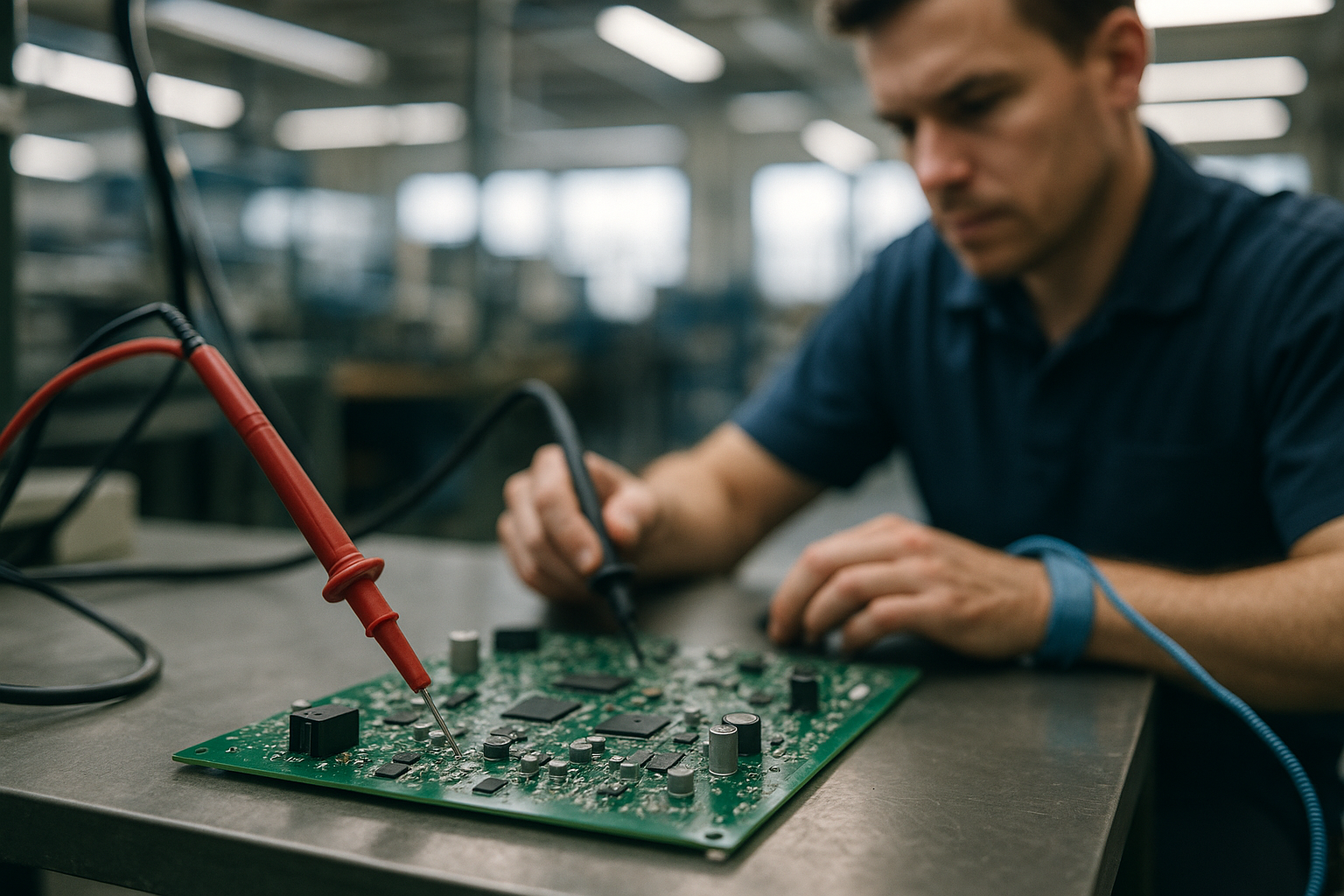
- Testing and inspection. Early builds rely on bench testing and visual checks. Production adds automated tests and in-line inspection so every unit is verified and traceable.
- Timeline and sequencing. Prototypes are quick for learning. Production requires time to prepare tooling, run pilot builds and confirm supply before steady output begins.
Which option gets my product to market sooner?
If your primary goal is learning about fit, function and user feedback, prototypes will get you to meaningful answers fastest. If your priority is consistent shipments and customer experience at scale, plan for a staged production ramp. Most teams start with prototypes, move to pilot builds that are production-intent where practical, then begin a controlled production ramp.
Decide by answering two questions: are design changes still likely, and do you need predictable delivery? If changes are likely, favor more prototype iterations. If you need predictability for customers or channels, begin the pilot and ramp sequence to lock processes and suppliers.
How do the parts list and tooling shift as you scale?
Think of the parts list as a procurement and assembly plan, not just a shopping list. For prototypes the priority is getting parts in small batches to test quickly. For production the priority becomes long term availability and packaging that matches the assembly method, which sometimes means substituting parts that are easier to source in volume or that arrive on production-friendly reels.
Tooling changes follow the same logic. Low cost fixtures and manual aids are fine while you expect changes. Once the design is settled, dedicated fixtures reduce assembly time and manual rework. That tooling is an investment that shortens unit assembly time and improves consistency, so teams choose it when the design is stable.
How do testing and quality control change?
Prototype testing focuses on proving function and identifying problems. Production testing focuses on repeatability, finding assembly errors early, and recording results for traceability. Typical production steps we add are:
- Test jigs that run standardized checks automatically on the line.
- In-line optical checks or inspection that catch assembly defects before units move forward.
- Traceability records that link serial numbers to test results, so a future service question can be traced back to a build batch.
See IPC for common PCB and assembly standards.
How do we handle the transition on a real build?
We sequence the work to protect your team from production logistics while keeping you informed about the decisions that matter. The usual three-step approach is:
- Design verification. Build a small set of prototypes to confirm form, fit and function and to gather user feedback. Keep tooling light while changes are expected.
- Pilot builds. Use production-intent parts and processes where practical to validate fixtures, test routines and supplier readiness. Pilot builds reveal process issues in a controlled way.
- Production ramp. Move to steady production only after pilot results, test validation and supply commitments are in place. The ramp increases output while the team monitors yields and quality metrics.
We present the tradeoffs at each step: which choices speed learning, and which reduce risk before you ship. Our role is to implement the technical steps, coordinate suppliers and present clear options for your approval.
| Area | Prototype run | Production run | Decision note |
|---|---|---|---|
| Process | Flexible, manual | Repeatable, automated where practical | Prototype for learning, production for repeatability |
| Tooling | Simple jigs | Dedicated fixtures and test jigs | Tooling pays off once design is stable |
| Parts | Small quantity, flexible substitutes | Production packaging and reliable sourcing | Plan sourcing early to avoid late swaps |
| Testing | Bench and visual checks | Automated test and traceability | Testing expands to prevent batch issues |
| Timeline | Fast for learning | Longer setup, steadier output | Staged ramp balances speed and stability |
FAQ
How long does it take to move from prototypes to production?
There is no single answer. The time depends on tooling needs, part lead times, and how many design changes remain. Expect a short pause for pilot validation, then a staged ramp so you do not push untested changes into higher volumes.
Will prototype to production electronics manufacturing increase my unit cost?
Unit cost usually falls as processes are automated and yields improve, but production requires upfront effort for tooling and test equipment. Think of this as a tradeoff between flexibility now and lower variable cost later.
How involved will my team need to be?
Your team leads product decisions and user acceptance. We handle sourcing, tooling, process definition and test setup, and we share clear decision points so you can approve changes without managing the technical details day to day.
What is the next step?
If you are deciding when to move from prototypes to a production run, start the conversation with our team. We are a Shenzhen based product development and manufacturing partner. We can review your parts list, tooling needs and test approach and map a staged plan to match your timeline. Visit our contact page or learn more about our capabilities on the services page, and discuss your electronics manufacturing requirements, prototype or production plan with Shenzhen Futurezen Co. Ltd.