
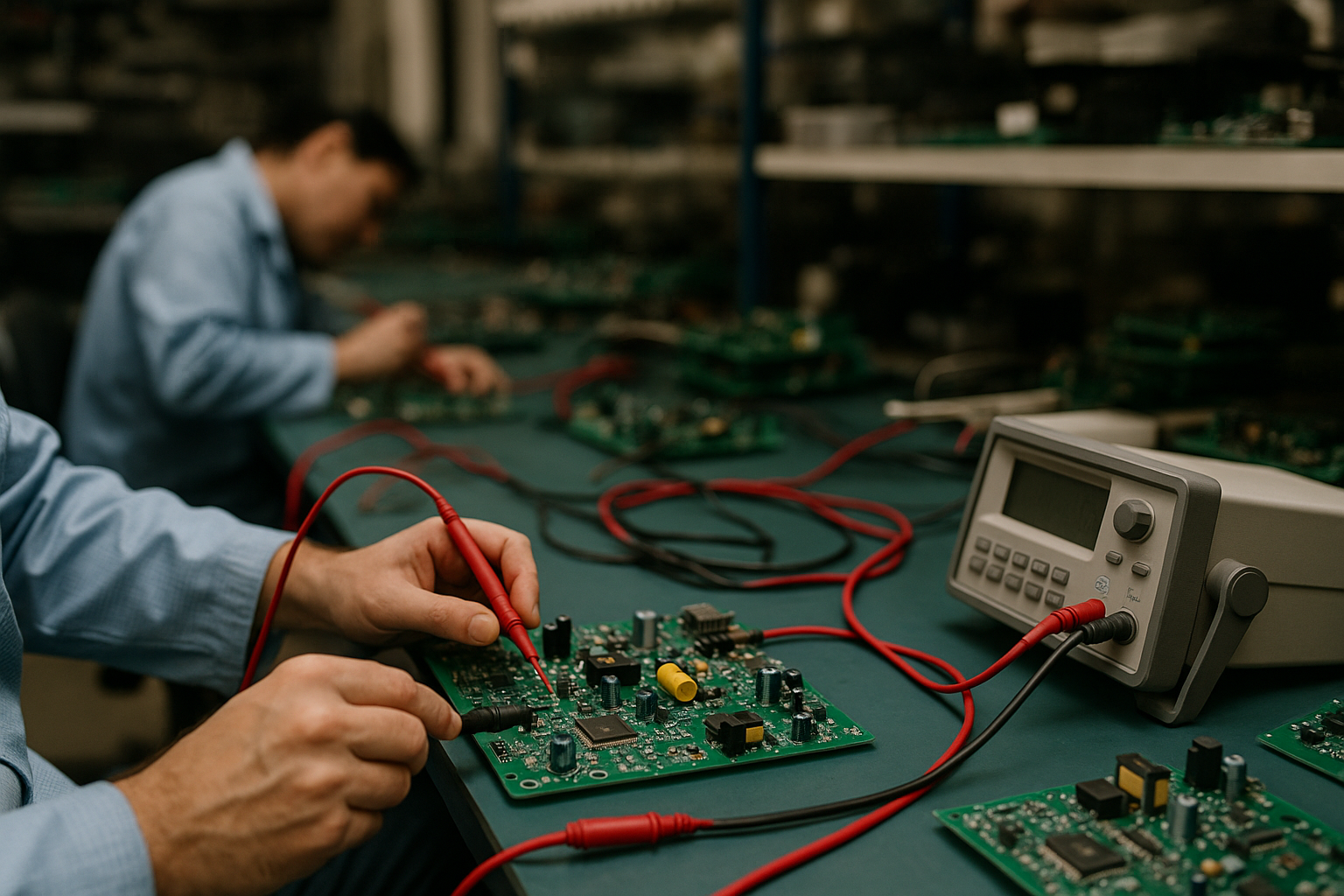
You have finished your design and chosen a manufacturing partner. Now you face a choice: how involved do you want to be as your files become working units? You can approve every sourcing and process step, or let Futurezen handle routine execution with agreed checkpoints. That choice shapes your schedule, the evidence you receive, and where your team spends its time. In manufacturing, this journey is called electronics product introduction-the process of turning design files into tested, working units.
The introduction normally follows a sequence you will recognise: file and drawing checks, assembly preparation, parts sourcing and validation, prototype functional testing, and a pilot build to confirm repeatability. At each stage you choose whether to approve the outputs or let Futurezen execute routine steps with agreed checkpoints. Below are the practical steps and the decisions you will make.
What happens as my design files become working units?
Each stage produces specific evidence and a decision point. Here is what to expect, framed as the questions product owners ask.
What will I approve first?
We verify file completeness and flag anything that would stop assembly, such as missing mechanical drawings, unclear connector definitions, or an incomplete parts list. Outcome: a short, explicit list of fixes and any parts that look like long-lead risks. If you choose to approve every step, we pause for your signoff on the list. If you delegate routine steps, we proceed with recommended actions and share the record for your review.
What will I review before the first build?
We convert your design files into machine-ready instructions and a simple test flow. Outcome: assembly instructions that tell machines where each component goes, a basic operator test plan, and any tooling notes. Delegating routine steps speeds the move to prototype builds using validated defaults. Approving every step gives you per-output signoff and more traceability in the record.
How do I know parts will work before a full build?
We source suggested suppliers and validate candidate substitutes on sample boards. Testing a small quantity first confirms physical fit, how the part behaves during soldering, and basic function before a larger run. We also check enclosure clearance before extended electrical troubleshooting, so engineering time is spent only on samples that physically fit. If you delegate routine steps, Futurezen handles the checks and provides the validation report. If you approve every step, we document the sourcing trail and pause for your signoff before using exact or substitute parts.
What will I learn from prototype tests?
Prototype testing focuses on the core user flows you care about: device boot, connectivity, user interactions, and any critical electrical checks you request. We check basic power-up and connectivity before extended product testing, so the team does not spend time investigating later-stage behaviour on a sample with a basic assembly fault. Outcome: test logs, photos, and a concise report that shows what passed and what needs attention.
What does a pilot run tell me?
A pilot run exercises a production-like sequence to confirm that assembly and test steps produce consistent results. Outcome: pass rates, common failure modes, and recommended process controls to keep quality stable. If your acceptance criteria are met, we propose production signoff and a clear list of steps to sustain the pass rate.
Should I choose a faster cycle or full traceability?
Use the table below after reviewing the stages. Choose the faster cycle when your team wants to focus on product decisions and user testing. Choose full traceability when exact parts, certification records, or frequent approvals matter more than reducing pauses. Traceability means a detailed record of which exact parts were sourced, where they came from, and how each was validated-important for regulatory filings or audits.
| Decision | Faster cycle | Full traceability |
|---|---|---|
| Who approves | Futurezen handles sourcing and process steps, you approve key tradeoffs and pilot results | You review and sign off on sourcing and every major step |
| Best fit | Teams with limited bandwidth that prioritise early user feedback and a faster cycle of working units | Products where exact parts, traceability, or regulatory detail must be preserved |
| Evidence provided | Sample photos, test logs, and validated substitute reports for quick approval | Exact-part sourcing traces, detailed validation reports, and per-step approval records |
How long does electronics product introduction take?
The time needed to take design files to working units depends on your chosen control mode and the technical constraints. During electronics product introduction, the main drivers are component lead time, test complexity, and the number of approval cycles you require.
- Component lead time. Requiring exact parts can extend the schedule when parts are scarce. Accepting validated substitutes often avoids waits for long-lead items.
- Test complexity. Basic functional checks are quick. Expanded testing, such as extended stress or formal pre-certification checks, requires extra setup and validation time.
- Approval cycles. Every formal pause to sign off adds calendar days. Delegating routine steps reduces those pauses and moves units through faster.
When you share files, Futurezen provides a tailored schedule that maps your chosen control mode to realistic durations and highlights where most time is spent. That schedule makes the tradeoffs visible so you can choose the cadence that fits your launch plan.
What do I get to review?
We deliver practical evidence that supports decision making without creating low-value work for your team. Typical items include photos of assembled samples, test logs for functional checks, short reports from substitute validations on sample boards, and sourcing traces when exact parts are required.
We sequence checks to reduce rework. For example, we confirm mechanical fit and enclosure clearance on early samples so electrical troubleshooting happens only on items that physically fit. That keeps fixes focused and shortens the path to usable prototypes.
FAQ
What decisions affect how long it takes to get working units?
Decisions about parts, approval frequency, and test scope determine the path. Accepting validated substitutes and delegating routine approvals shortens the path. Requiring exact parts, frequent approvals, or broader test coverage lengthens it. Futurezen will map these choices to practical steps so you can weigh visibility against schedule.
How does certification affect product introduction?
Certification needs shape early parts selection and the testing plan. When you share certification goals at handover, Futurezen includes the relevant checks in prototype planning and identifies where an accredited laboratory is needed for formal certification. Industry guidance is available from IPC, the electronics manufacturing association, for standards and testing practices.
Can we change the control mode partway through?
Yes. You can move between delegating routine steps and approving every step, though changes affect the schedule and evidence you will receive. Switching to a more hands-on mode adds approval pauses and increases traceability records. Switching to delegated execution removes some pauses and relies on the previously agreed evidence package. Futurezen documents the change and updates the schedule so you see the tradeoffs before the new cadence is applied.
Next step: to map this electronics product introduction process to your product or prototype, contact Futurezen about your manufacturing requirements. See our services page for typical engagement options and what we include in a pilot. For industry standards and testing guidance, see IPC.
Author: Futurezen editorial team